
Embracing Self-Love Through Proactive Self-Care
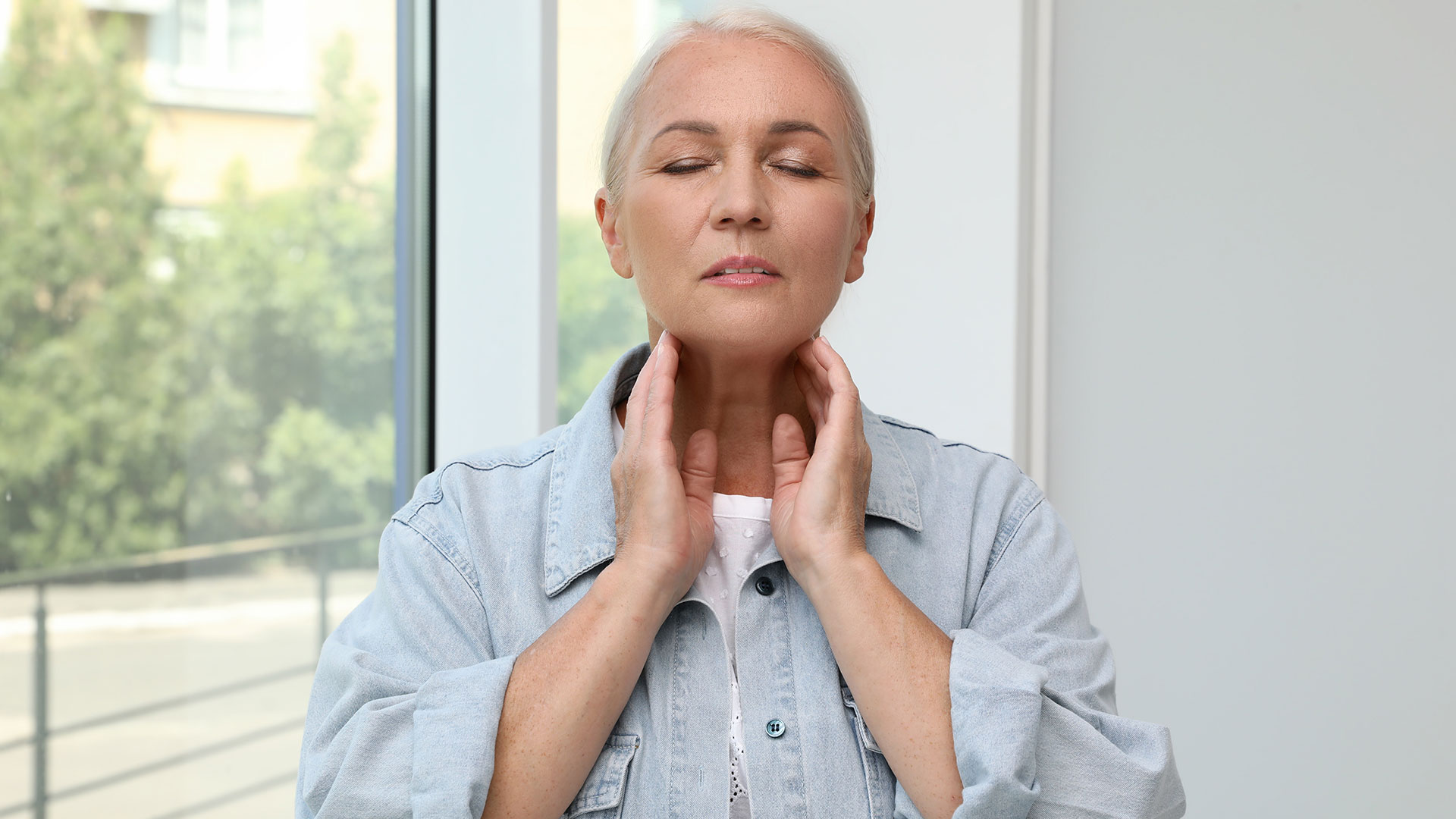
Self-checks are means to increase the chances of avoiding diseases and other preventable health conditions. Here’s how to perform them.
Paying attention to personal health is one of the most effective forms of prevention. It does not require advanced training or constant medical appointments. It starts with awareness, consistency, and the ability to recognize changes early. This mindset defines Self-Care Month, a health observance focused on strengthening everyday habits that support long-term well-being.
Often aligned with self-awareness month, this observance encourages everyone to understand what is normal for their bodies and minds. February is also recognized as National Self-Check Month, a time dedicated to reinforcing the value of routine self-observation. From our perspective, self-check practices work best when supported by professional guidance, education, and follow-through in the home setting.
When Prevention Becomes Personal
National Self-Check Month was introduced in 2018 by Self Chec, an organization focused on improving early symptom recognition. The purpose was to encourage individuals to observe their health consistently and seek medical guidance before minor concerns become serious conditions. Early detection remains a cornerstone of effective care for heart disease, diabetes, infections, and many cancers.
According to the Centers for Disease Control and Prevention, chronic diseases account for approximately 90 percent of health care spending in the United States. Many of these conditions respond better to treatment when identified early. National Self-Check Month promotes practical actions that support earlier intervention and better outcomes.
Why Noticing the Small Things Matters
A self-check builds familiarity. When someone regularly observes their energy levels, appetite, sleep quality, pain patterns, and physical changes, they create a personal health baseline. This makes it easier to identify deviations that may require professional evaluation.
Avoidance is a common barrier. Fear of discovering a problem often leads people to ignore symptoms. However, research consistently shows that early medical attention improves survival rates and reduces treatment intensity. Self-check habits encourage engagement rather than fear, helping people feel more confident discussing concerns with healthcare providers.

Everyday Habits That Reveal Bigger Clues
Self-check practices are simple but meaningful. Vital sign awareness, including blood pressure and heart rate monitoring, is especially important. The American Heart Association reports that nearly half of U.S. adults have high blood pressure, and many are unaware due to a lack of symptoms.
Skin observation supports early detection of skin cancer and infection. Watching for changes in moles, wounds that heal slowly, or discoloration can prompt timely care. Breast and testicular self-exams, when done consistently, help individuals recognize changes that should be evaluated by a clinician.
Sleep patterns and mood awareness are also essential. Poor sleep, persistent fatigue, anxiety, or low mood may indicate stress, depression, or underlying medical conditions. Symptom tracking, such as ongoing pain, shortness of breath, or unexplained weight changes, provides valuable information for healthcare providers.
Why a Single Month Can Spark Lasting Change
While self-check month brings awareness, the goal is consistency throughout the year. Many people begin self-care routines but struggle to maintain them without support. This is where home health services offer measurable benefits.
Home nurses and therapists reinforce self-check habits by observing patients in their daily environments. Subtle changes in mobility, balance, cognition, or appetite are often identified earlier in the home than in clinical settings. This allows providers to communicate concerns promptly and adjust care plans as needed.
Medication Knowledge as a Safety Net
One of the most impactful services provided by home nurses is medication education. The CDC reports that nearly half of adults take at least one prescription medication, and adverse drug events remain a major cause of preventable hospital visits.
Home nurses educate patients on correct dosing, timing, potential side effects, and safe storage. They observe how medications affect patients during normal routines, offering insights that are not always visible during office visits. This education improves adherence and reduces medication-related complications.
Keeping Prescriptions Working Together
Closely tied to education is prescription management. Patients with chronic conditions often take multiple medications prescribed by different providers. Home nurses help reconcile medication lists, identify possible interactions, and coordinate communication between physicians and pharmacies.
The Agency for Healthcare Research and Quality has shown that effective prescription oversight significantly reduces emergency department visits related to medication errors. In-home monitoring strengthens safety while improving treatment effectiveness and patient confidence.
Strength, Balance, and the Awareness to Move Safely
The month of self-care also highlights emotional and functional well-being. Physical and occupational therapists working in the home assess strength, balance, endurance, and safety. These evaluations support early intervention and reduce fall risk, a leading cause of injury among older adults.
Mental and emotional health are equally important. Home care professionals recognize signs of isolation, stress, or cognitive decline and connect patients with appropriate resources. This holistic approach reflects growing evidence that physical and mental health outcomes are closely linked.
Better Outcomes Through Shared Responsibility
Self-check practices and home health services do not replace traditional medical care. They strengthen it. When patients are informed, supported, and observant, providers receive clearer information, decisions are made sooner, and outcomes improve. This partnership reduces strain on healthcare systems while improving quality of life.
National Self-Check Month is a reminder that health maintenance depends on regular attention, not crisis response. Self-awareness, combined with skilled home nursing and therapy support, empowers individuals to take an active role in their care year-round.
At Signature Health Services, self-awareness is foundational to quality care. Our nurses and therapists support self-check habits, provide medication education, and ensure effective prescription management in the comfort of home. National Self-Check Month reflects the belief that informed patients, supported by experienced professionals, achieve safer, healthier outcomes.
Call Signature 24/7 at 800-277-8291 for excellence in skilled and compassionate home health care.

Your Complete Home Health Care Solution!
ALWAYS ON CALL
| Monday – Sunday | 24 / 7 |
1 (800) 277-8291 (option 1)
COUNTIES SERVED

OUR VALUES
TESTIMONIALS

I love all of my home health people.

All Signature staff as well as therapy were very helpful.

Their services have always been great.

I really love my physical therapist. Gary has helped me so much.
This has been one of the best agencies. Very caring nurses.

I’ve had a really good physical therapist and really nice nurses.

I have had excellent care & would recommended them to anyone.

Gary Dixon is the very best physical therapist in Baytown and Houston Area.

Request Home Health Care
We are available 24 hours a day and on weekends with an RN always on call.